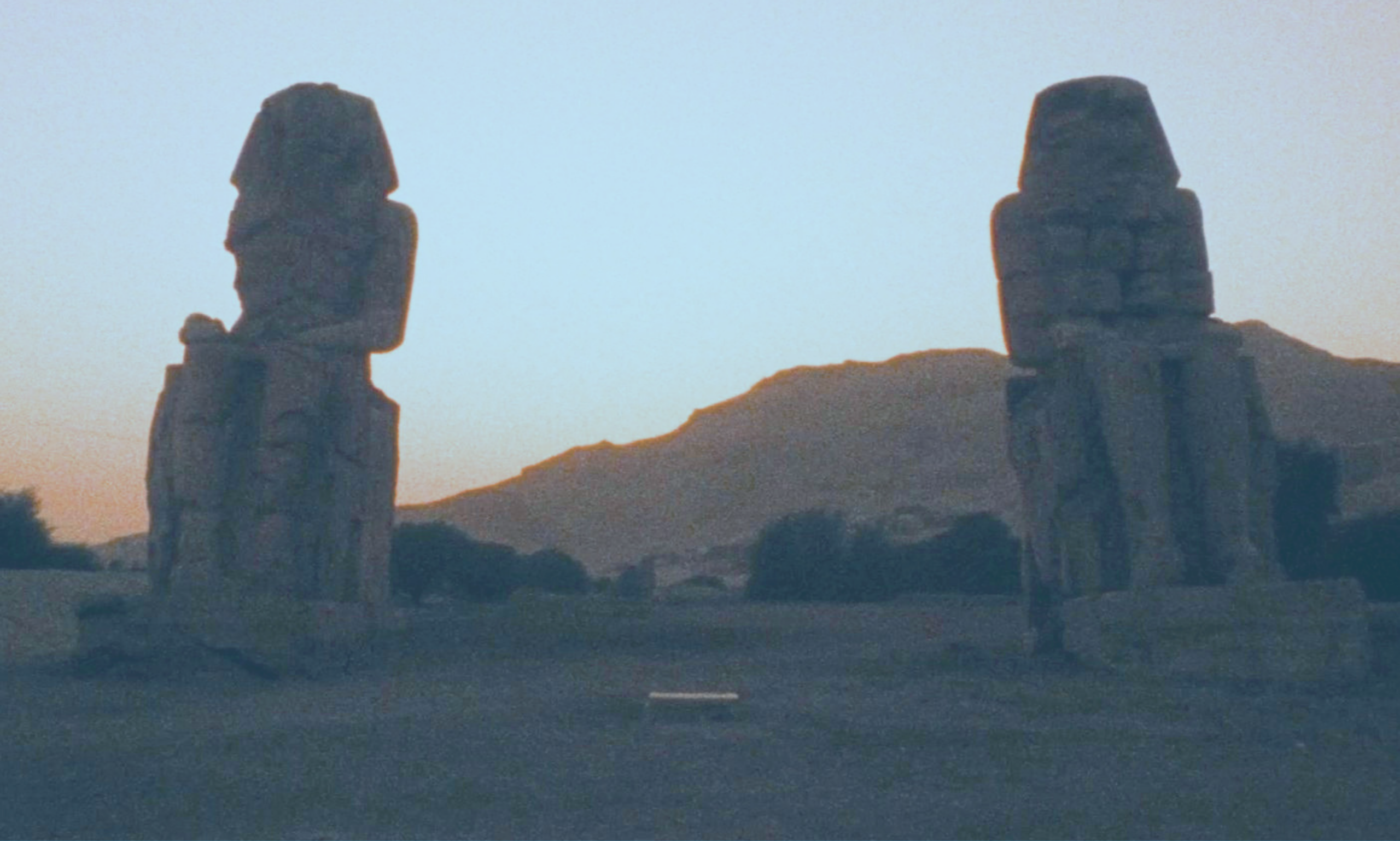
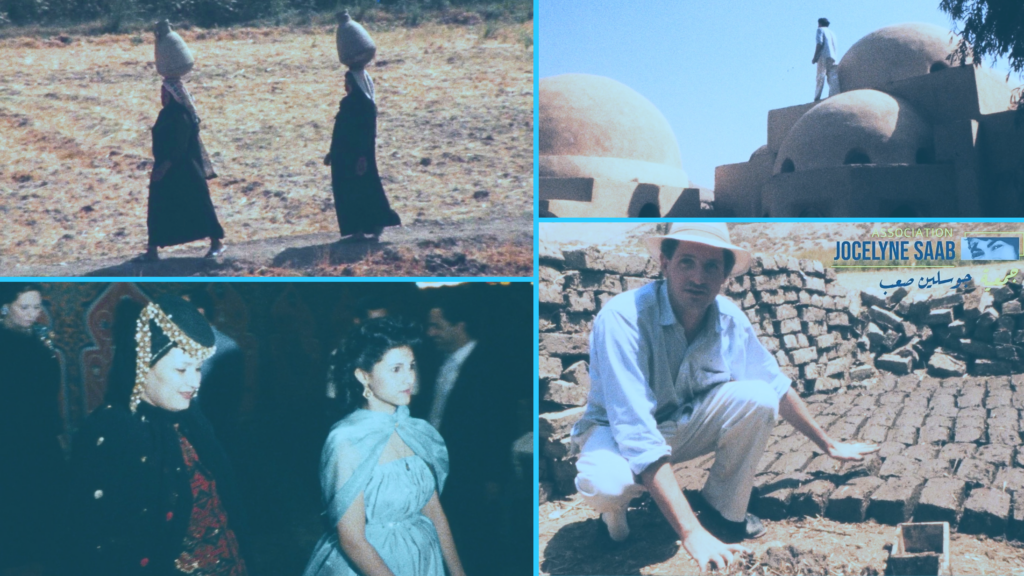
Jocelyne Saab’s return to Egypt in 1986, after seven years of being barred from the country, marked the opening of a new chapter in her work. This time, her focus was no longer on the urgency of current events, but on what constitutes the very heart of a society: the transmission of its beliefs, its skills, its folk traditions, its architecture, its cultural heritage and its collective memory. Commissioned by Antenne 2, the documentary series Egypte…Egypte? bears witness to this transition. In it, Jocelyne Saab adopts a sensitive approach to history through the places, customs and communities that continue to shape contemporary Egypt.
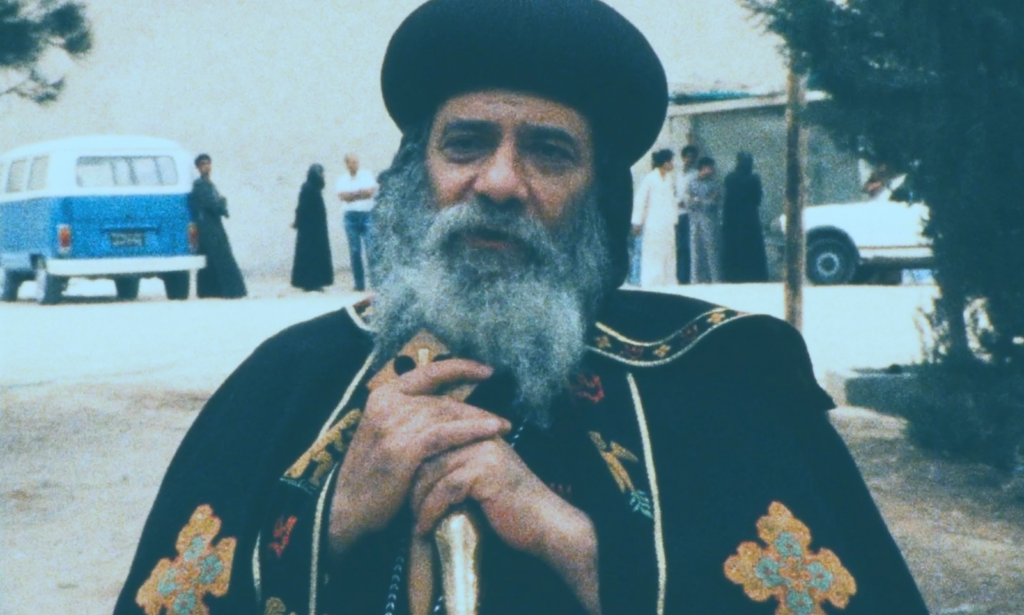
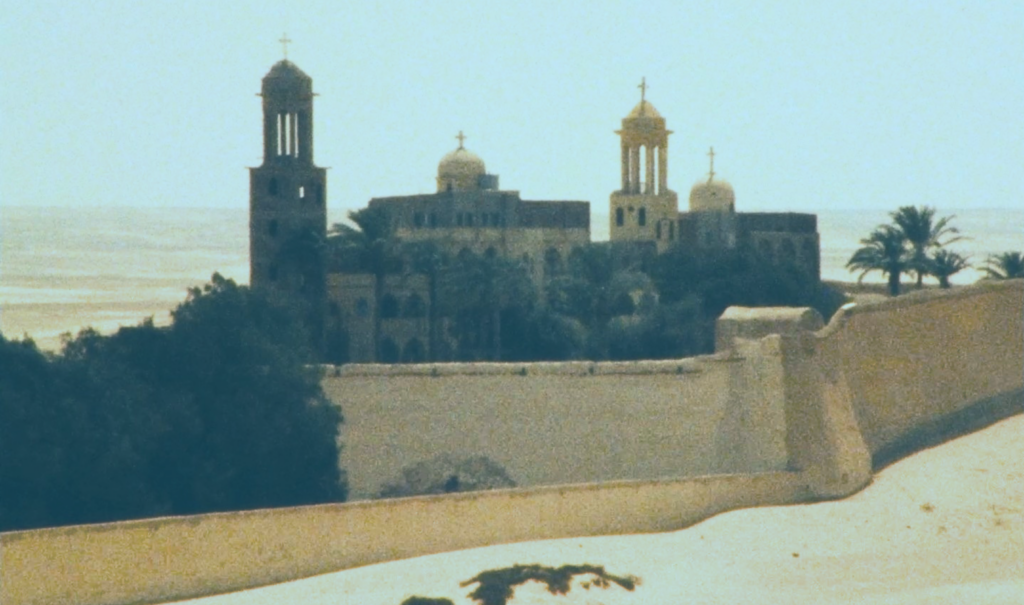
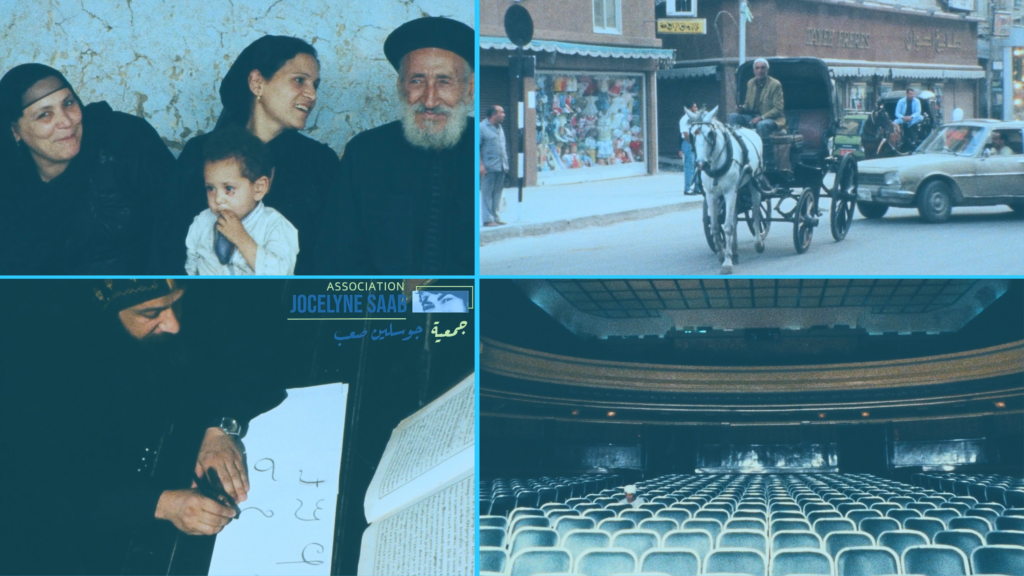
Comprising the documentaries Copts: Cross of the Pharaohs, Ghosts of Alexandria, The Love of Allah and The Architect of Luxor, the series offers an exploration of Egypt’s cultural geography. Indeed, each film highlights an identity, a territory or a way of inhabiting the world, through a series of encounters and journeys. In this way, Jocelyne Saab reveals an Egypt shaped by Mediterranean exchanges, ancient heritage, traditional customs and contemporary changes, all of which are embodied in its people, cities, buildings and social practices.
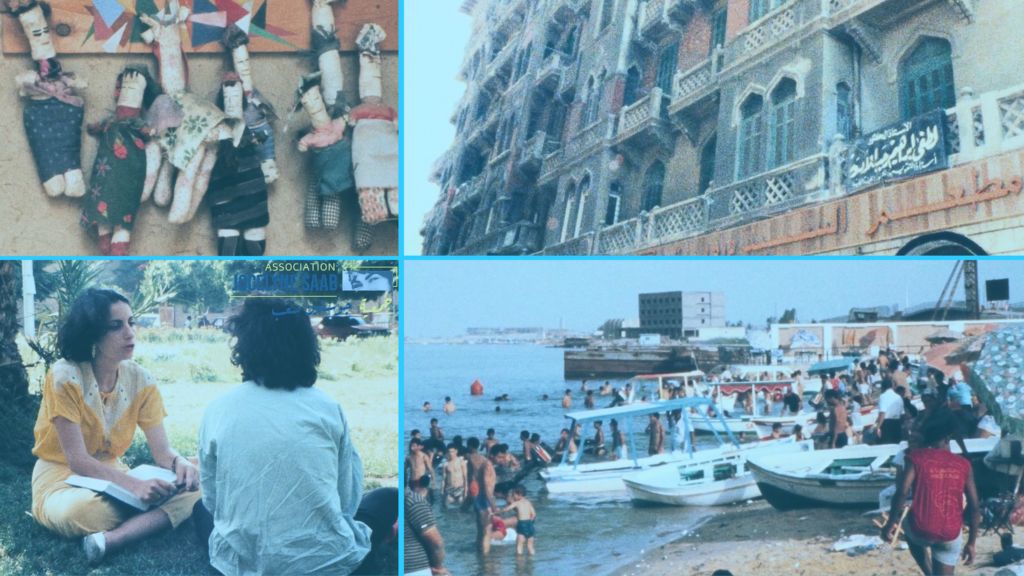
The four films reveal realities rarely depicted in Egyptian cinema and television of the 1980s. Coptes gives a voice to the oldest Christian community in SWANA and conveys the richness of its rituals, its heritage and its place in Egyptian history. Ghosts of Alexandria traces the legacy of a cosmopolitan city whose memory remains etched in its neighbourhoods, architecture and stories. While The Love of Allah examines the growing role of religion in public life and in people’s lifestyles following the socio-political upheavals of the 1970s in Egypt.
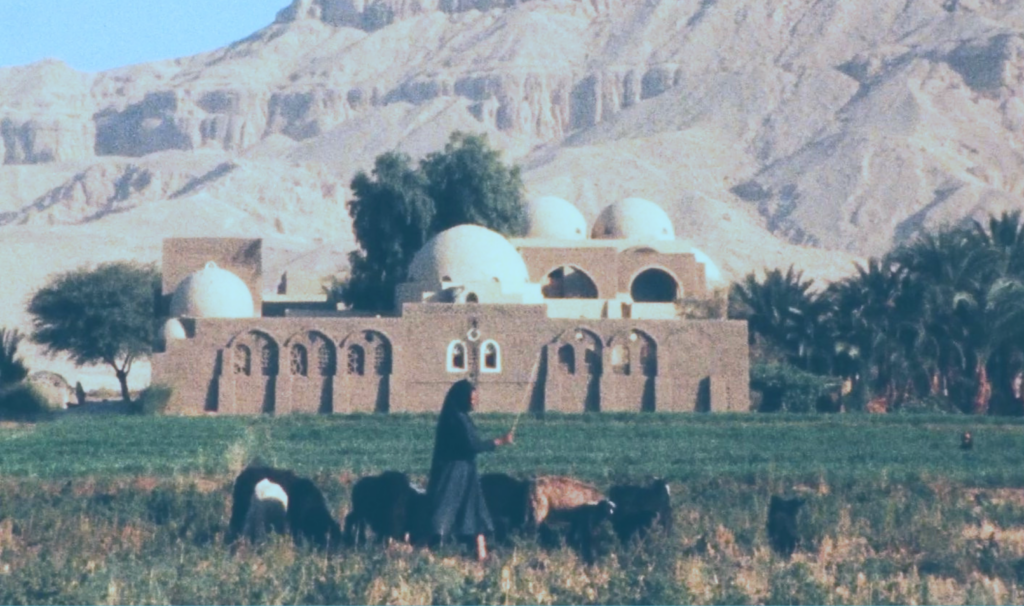
In The Architect of Luxor, Jocelyne Saab follows Hassan Fathy, a leading figure in 20th-century Egyptian architecture, nicknamed ‘the architect of the poor’. His work with local materials, vernacular techniques and architecture designed to meet the needs of residents echoes the filmmaker’s own focus on forms of creativity rooted in their local context. Through these four documentaries, Jocelyne Saab demonstrates that modernity can emerge from a dialogue between living heritage and innovation, where other forms of creativity develop on the fringes of dominant cultural models.
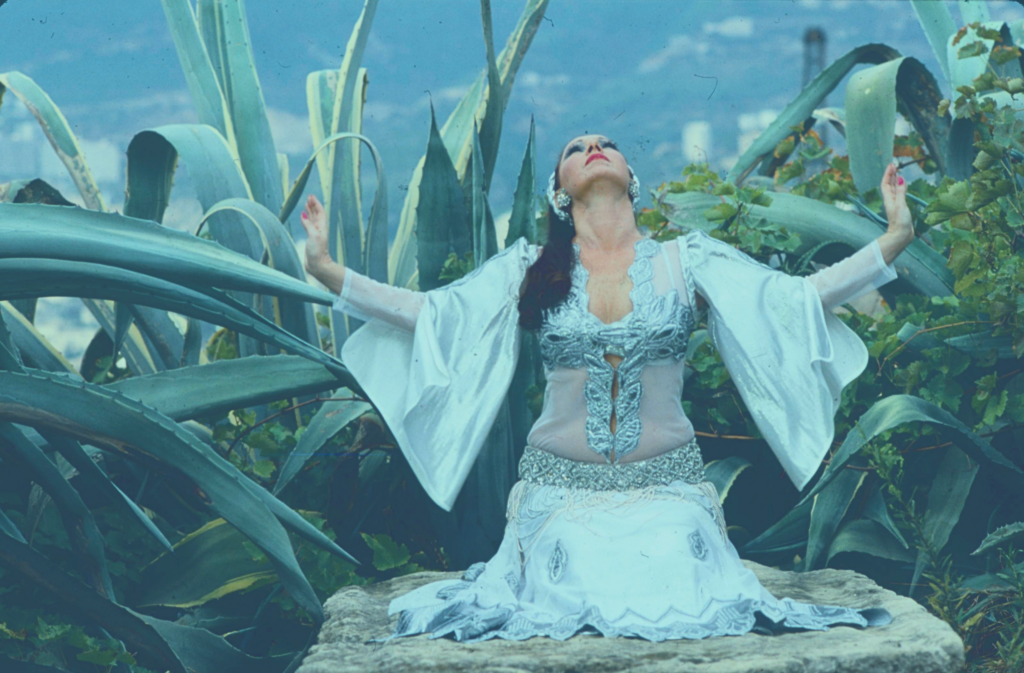
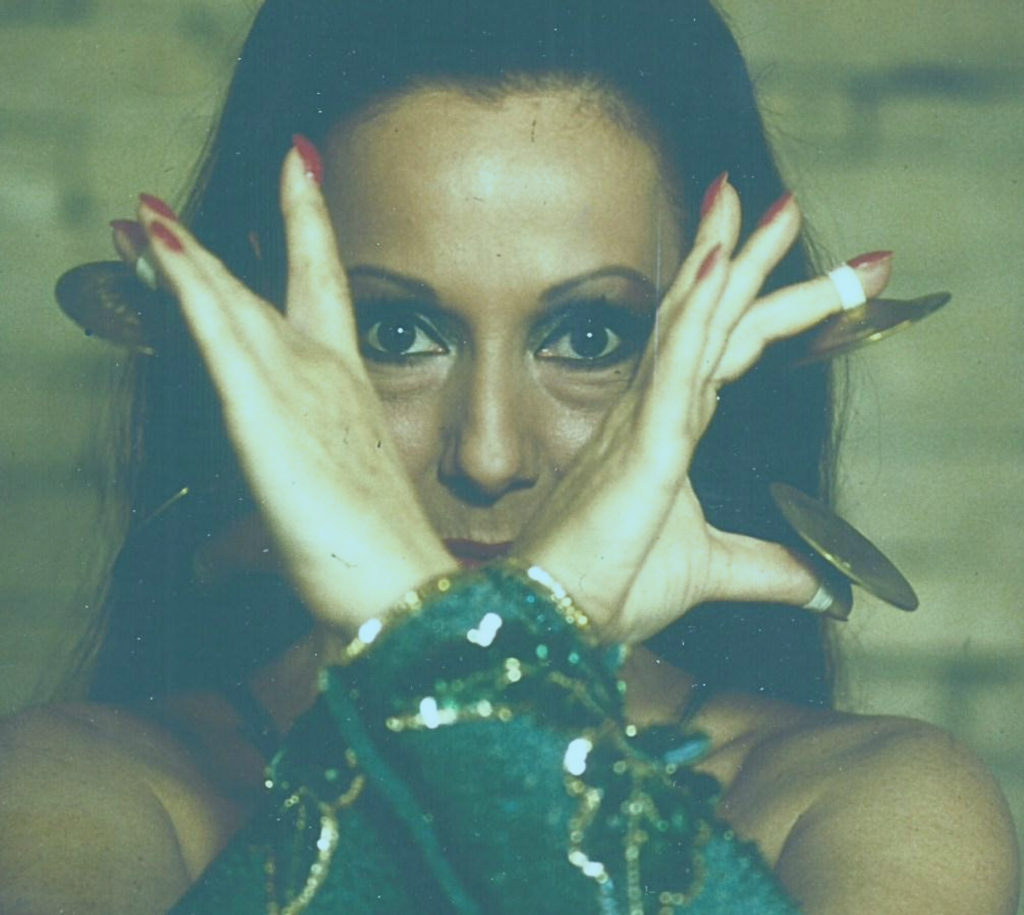
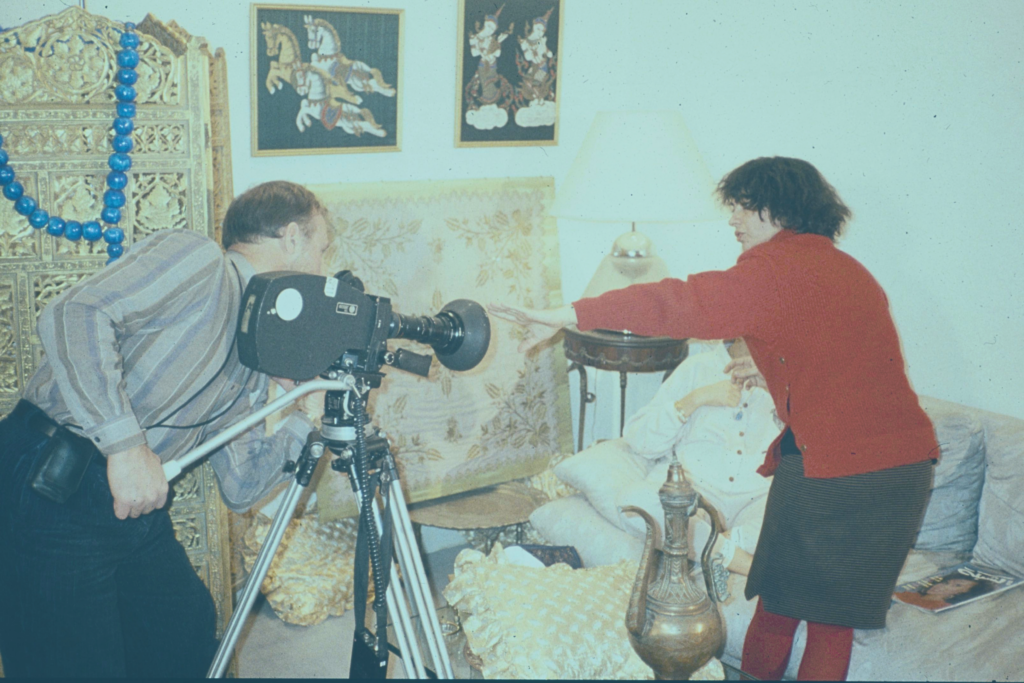
Jocelyne Saab continued this exploration of Egyptian cultural practices by directing Belly Dancers in 1989. Rather than filming belly dancing as a show intended for Western audiences, she focused on the women who practise it, their life stories, their training, their working conditions and their position in Egyptian society. The rehearsals, discussions, technical movements and stages are just as meaningful as the performances themselves, revealing dance to be a rigorous professional practice and a true cultural and artistic language.
In this documentary, the body expresses knowledge, discipline, a memory of movement and a collective history, passed down by those who embody it. In this way, Jocelyne Saab explores how certain practices are rendered invisible or disparaged, whilst revealing their essential role within Egypt’s cultural heritage. This focus on popular artistic expressions foreshadows the research she would go on to develop on the female body in Dunia (2005).