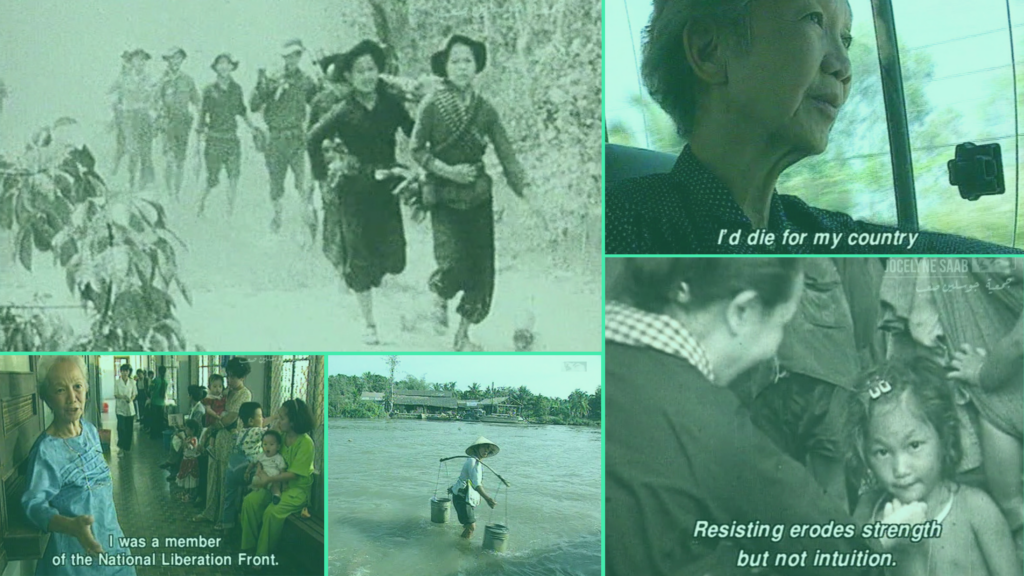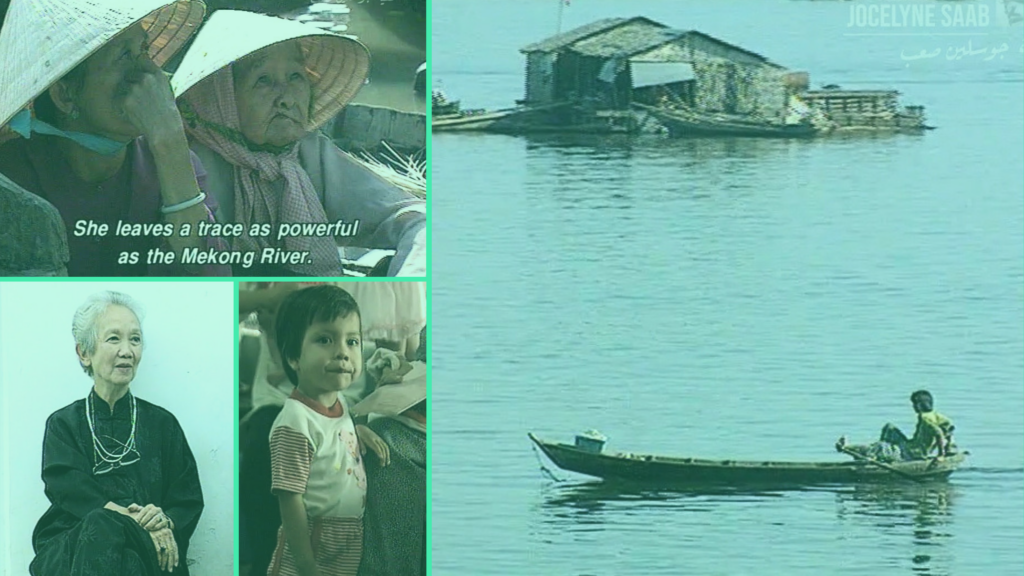
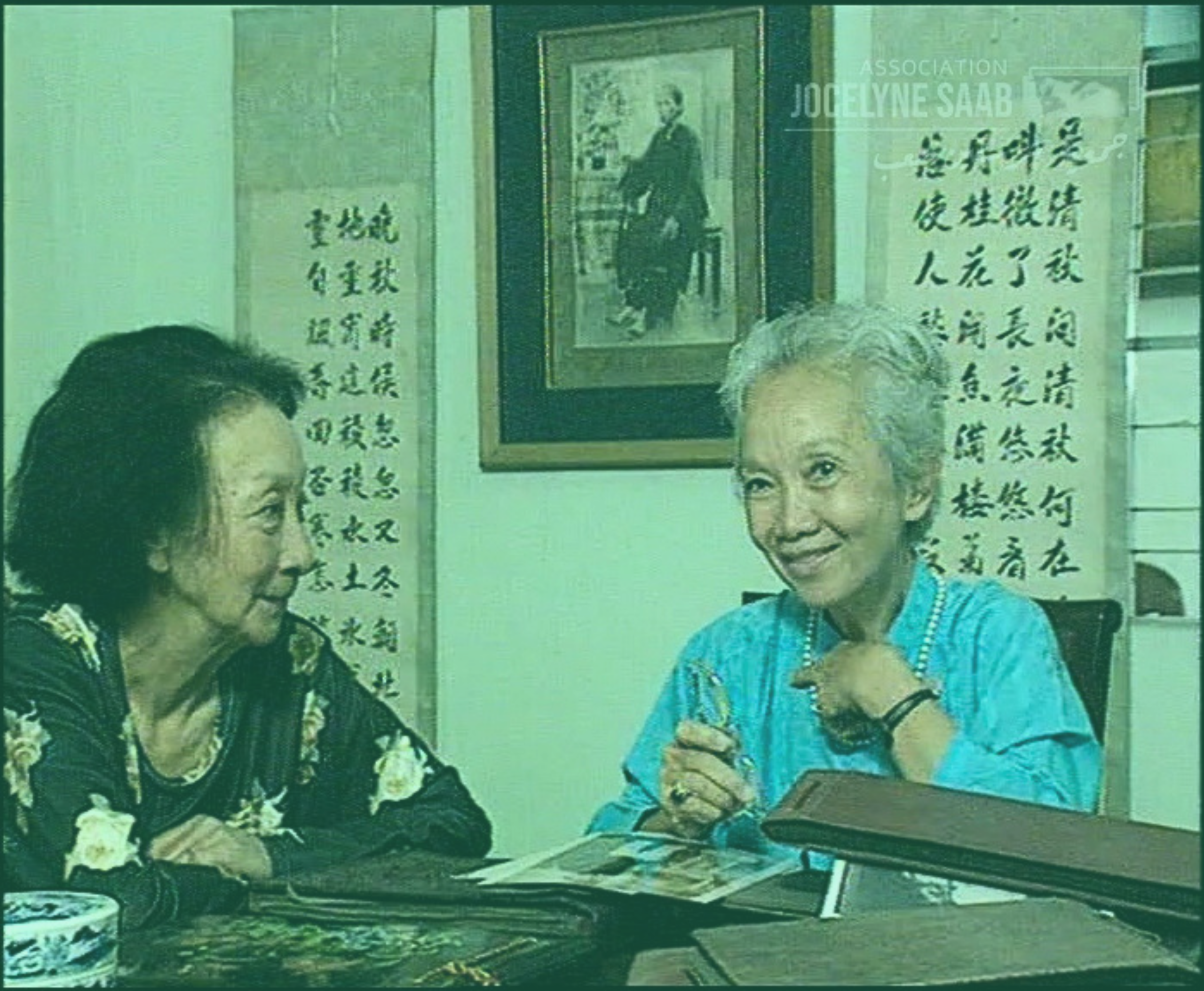
In 1997, Jocelyne Saab directed La Dame de Saïgon, a documentary broadcast on France 2 in July 1997, which was commissioned to explore contemporary Vietnam. Screened that same year at the États généraux du film documentaire in Lussas, the film went on to win the Prize for Best French Documentary, awarded by the Senate’s Audiovisual Committee, and then the Laurier award from the Club de l’Audiovisuel (Paris) in 1998.
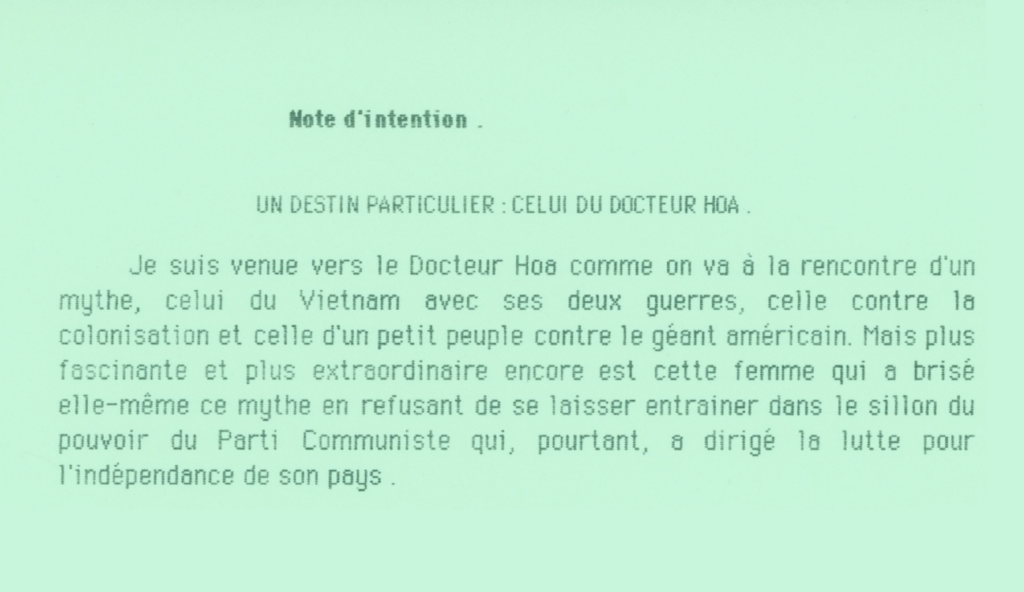
In her director’s statement, Jocelyne Saab explains that her initial plan was to film Vietnam, a country whose history had profoundly shaped her generation. But the filming took a different turn when she met Dr Nguyễn Thị Bình Hòa: ‘It is no longer Vietnam that interests me, but this woman and her story within History’. This shift in perspective becomes the film’s guiding principle: rather than presenting a general account of the country, La Dame de Saïgon explores the story through a singular trajectory.
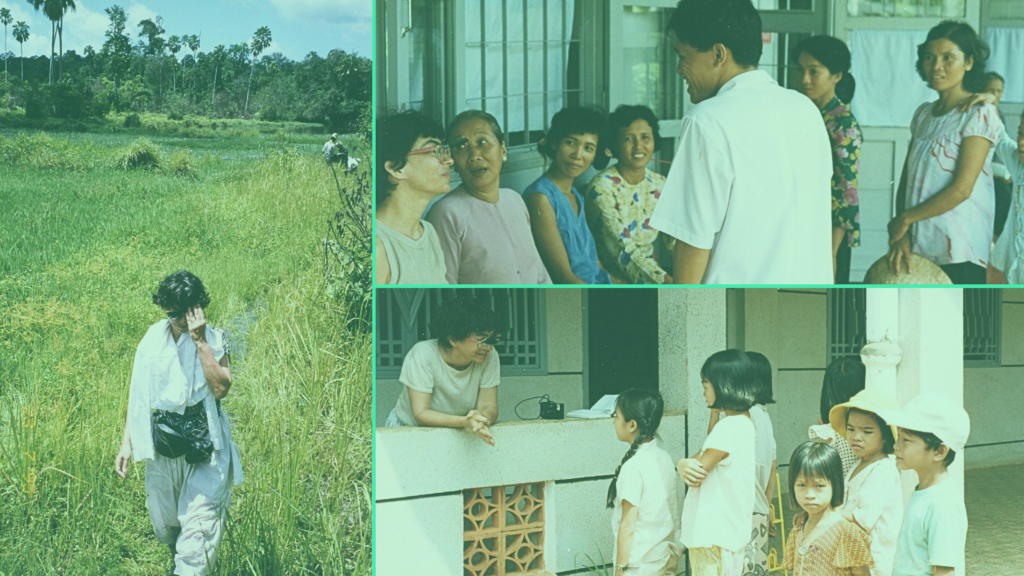
A former member of the Resistance, a doctor and a prominent figure in Vietnam, Dr Hoa dedicated her life to the struggle for her country’s independence before continuing her commitment to healthcare and culture. The documentary traces her life through her memories, her daily routine and the places that have shaped her existence. Jocelyne Saab creates not so much a biography as a portrait in which her personal experience sheds light on the country’s political and social transformations.
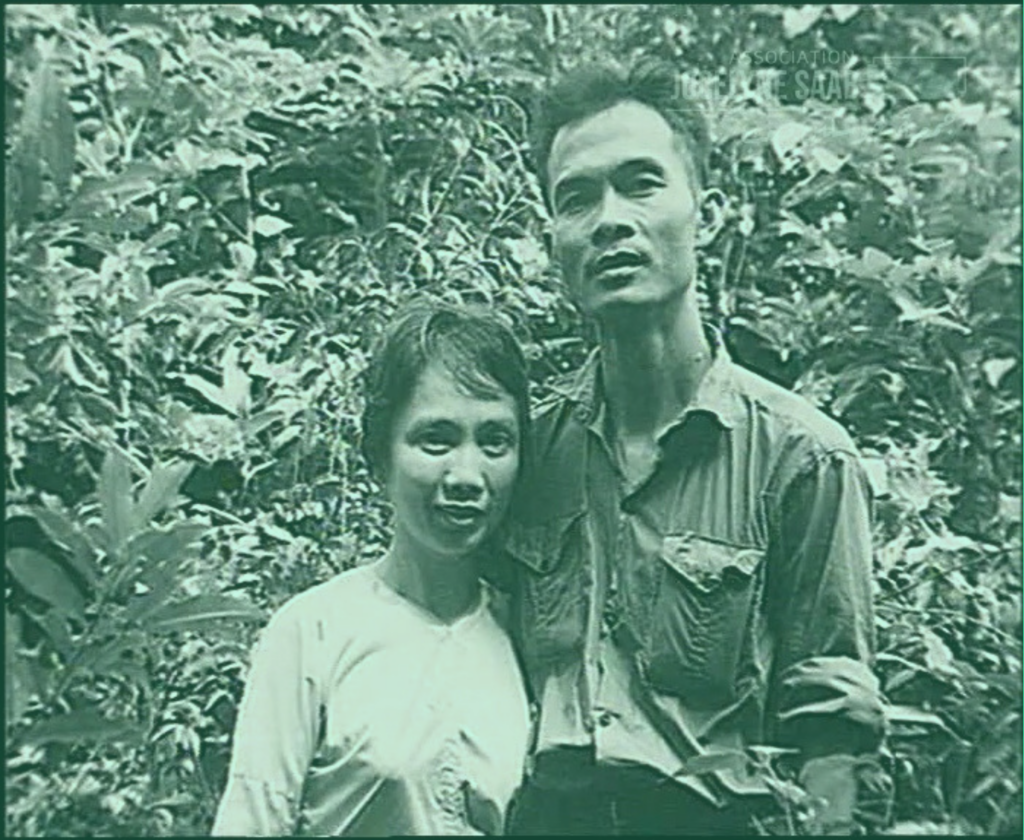
The statement of intent also highlights the importance attached to the intimate dimension of the narrative. Jocelyne Saab explores the relationship between Hoa and her husband Nghi, their years of separation during the war, the loss of their child, and the way in which these trials have shaped their commitment. Jocelyne Saab thus brings a fresh approach to documentary portraiture by weaving together political history and personal narratives.
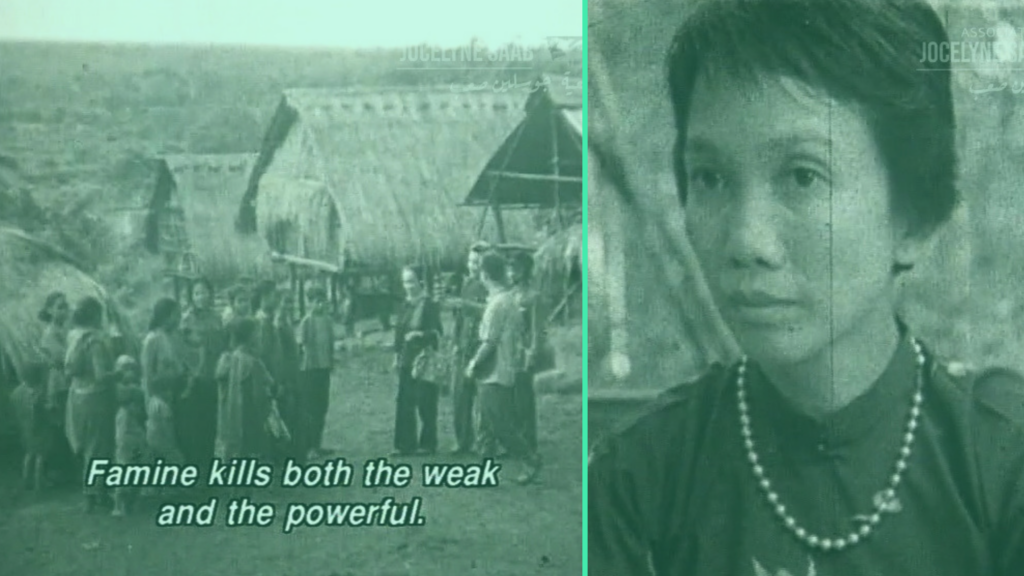
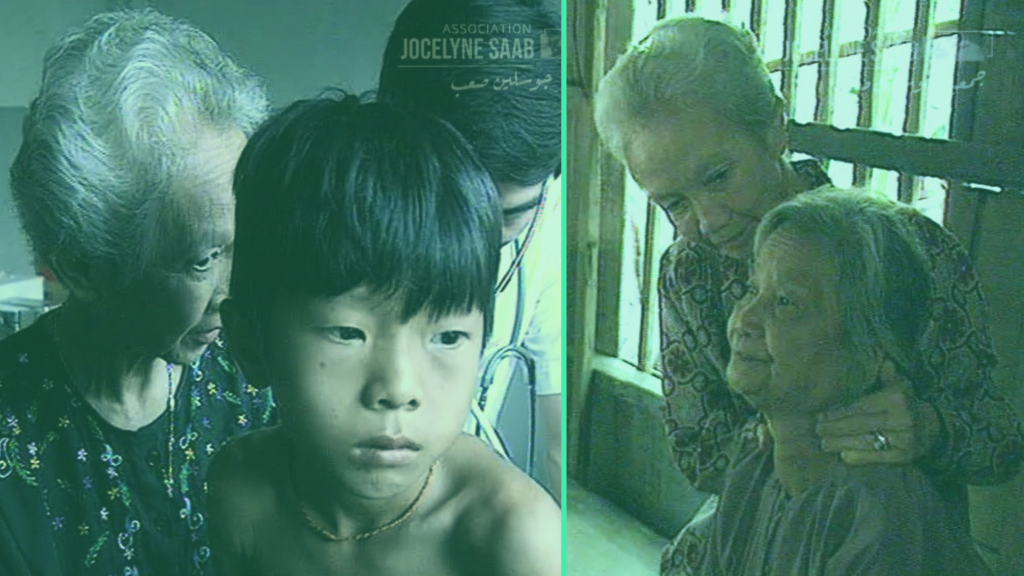
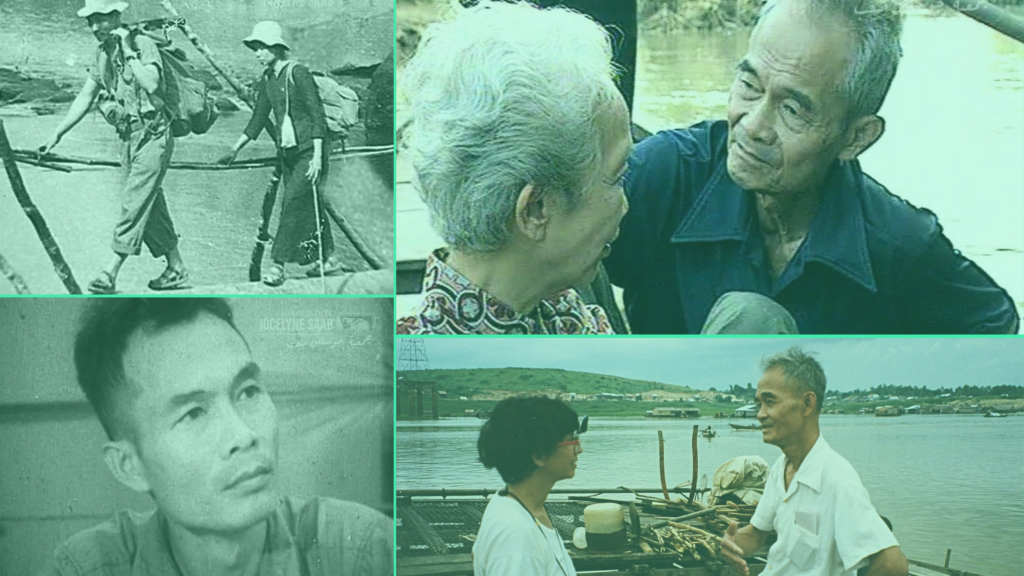
Through Dr Hoa’s life story, La Dame de Saïgon does not revisit the major events of the Vietnam War; rather, the documentary focuses on what remains of it in a life – the commitments and memories that it carries. Jocelyne Saab replaces the historical narrative with an embodied memory, constructed from the words, gestures and experiences of her main character. This focus on individual life stories characterises several of her films from the 1980s onwards, in which personal testimony becomes a way of conveying history without freezing its meaning.
In this film, Jocelyne Saab also revisits one of the key themes running through her work: her commitment to liberation movements and to those who lead them. However, nearly twenty years after her first documentaries on Lebanon, Palestine, Egypt, Iran and Western Sahara, her focus has shifted. She has chosen the portrait as a means of grasping history, but also as a way of exploring the women’s experiences that shaped that history.