After a decade spent documenting conflicts in Lebanon, Syria, Libya, Palestine, Kurdistan, Egypt, Iran and Western Sahara, Jocelyne Saab felt the need to redefine her relationship with the camera. The documentary images accumulated since 1975 have helped to preserve traces of a history in the making, but they also reach their own limits when confronted with the most intimate experiences of war. Having filmed destruction, death and resistance for nearly ten years, Jocelyne Saab now seeks to capture what survives the war: emotions, desires, dreams and the yearning for freedom.
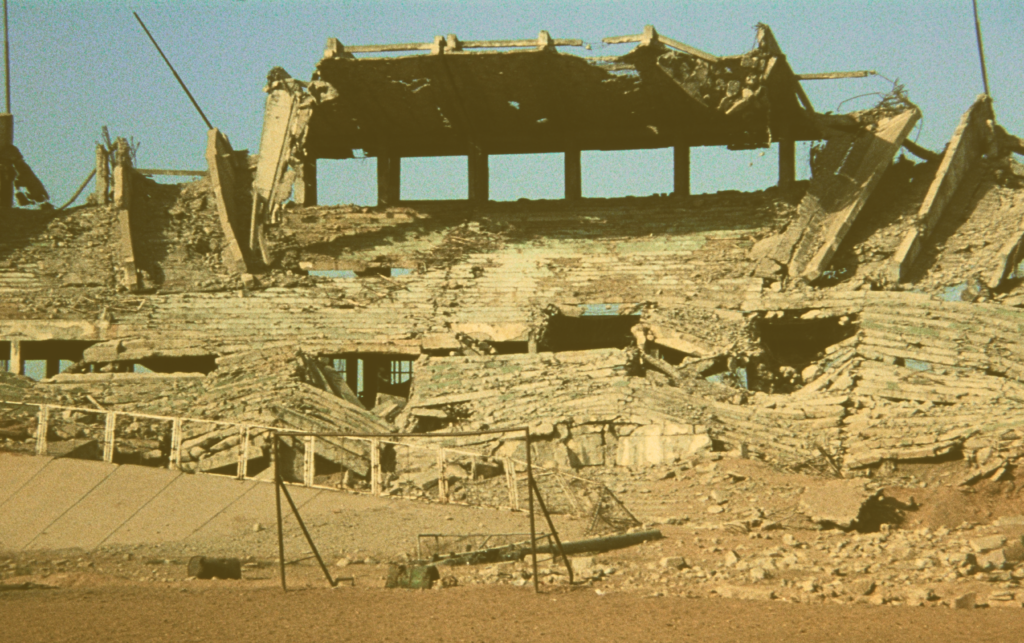
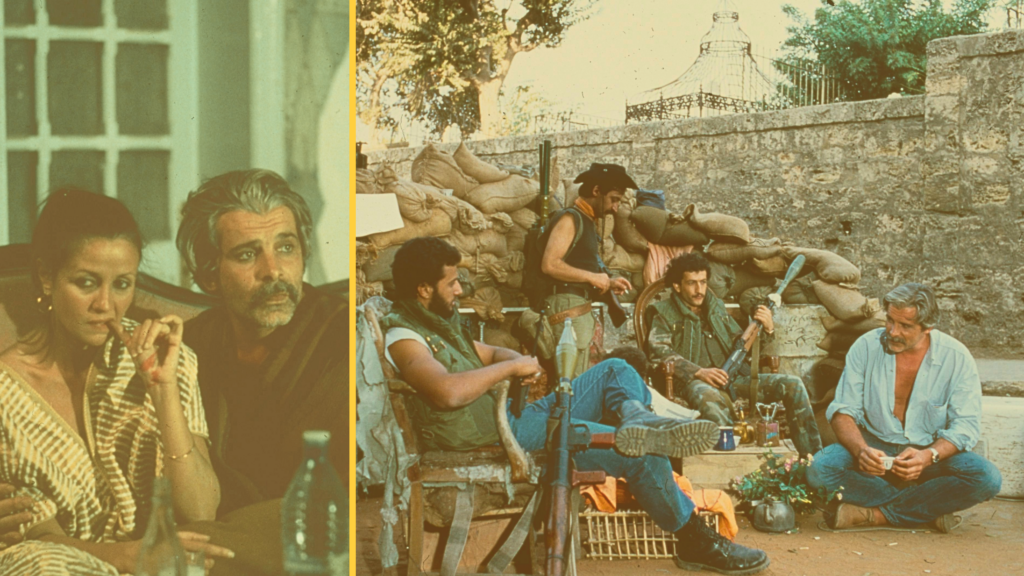
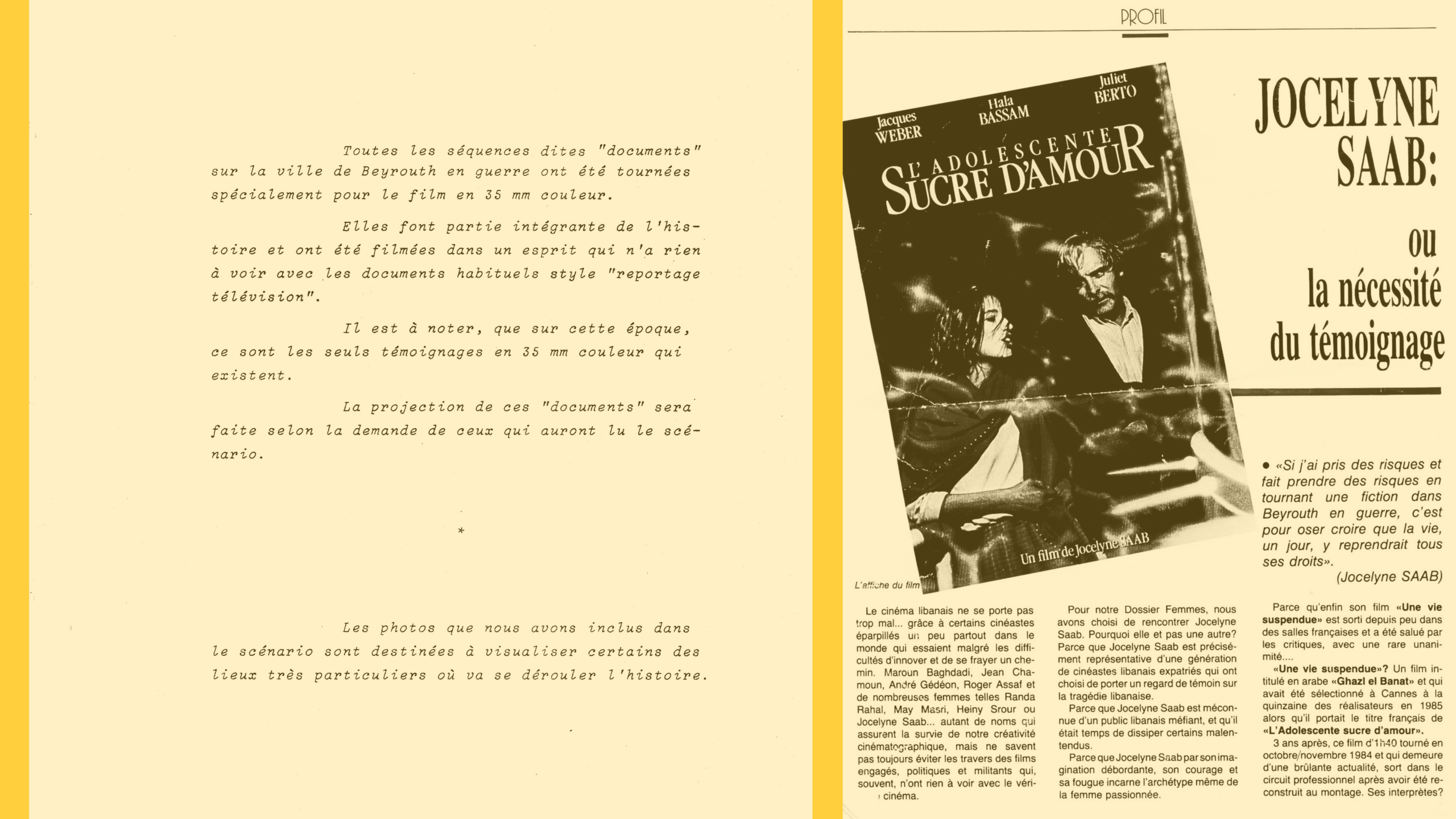
Her first feature-length fiction film Ghazl al-Banat (1985), was shot in Beirut — at a time when the country was still deeply scarred by the civil war — amidst the ruins, making them not a staged set but a testament to a land ravaged by conflict. Thus, Jocelyne Saab does not break with the documentary form; rather, she extends its inquiries by seeking a form that can grasp the sensitive and imaginary dimensions of history; a form that can reconstruct memory through the image.
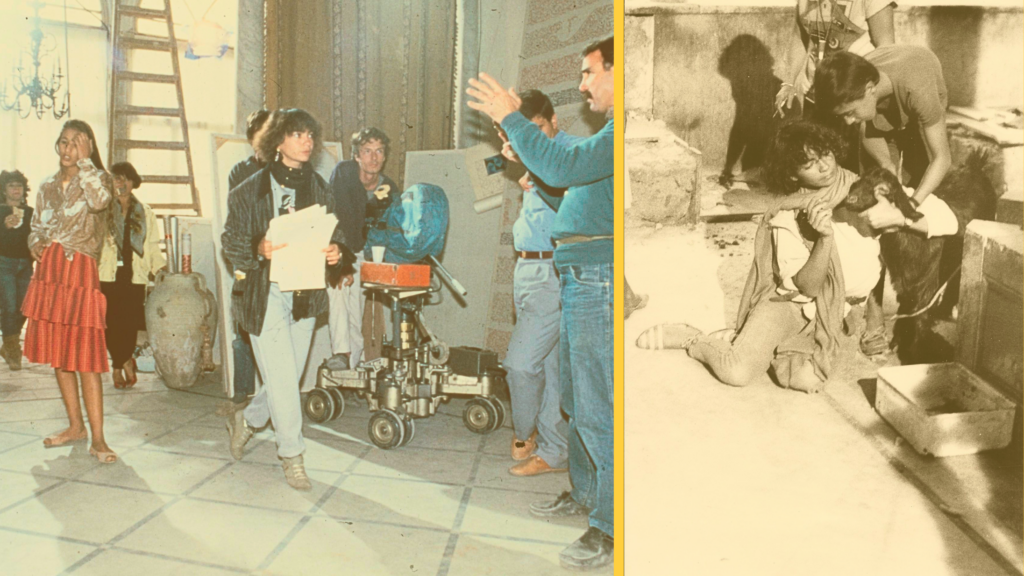
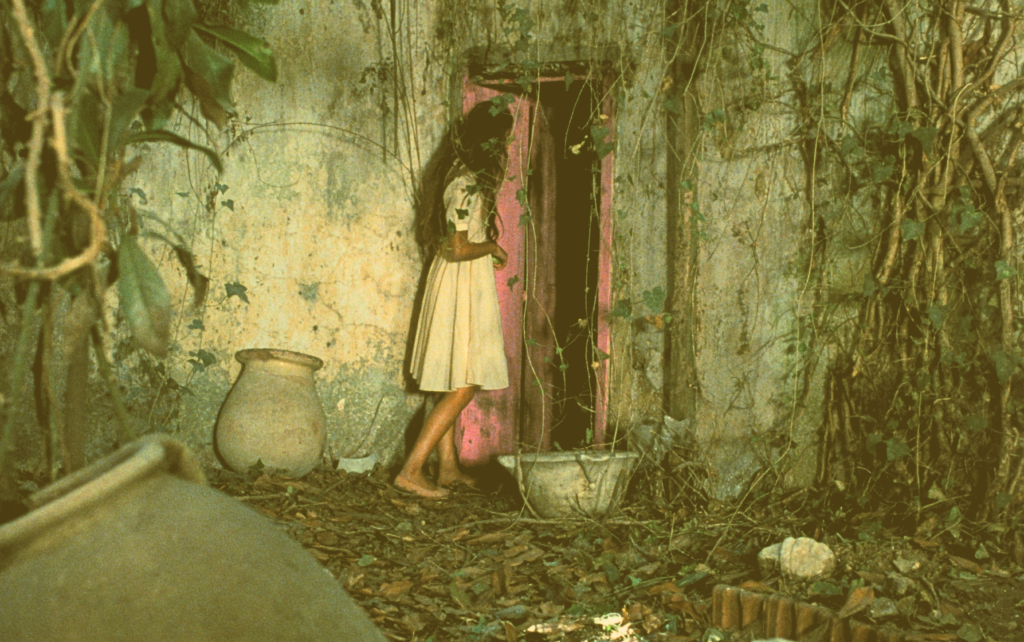
Through the story of a teenage girl discovering ways to assert her independence in a fragmented Beirut, Ghazl al-Banat offers a glimpse into a generation born into war, whose paths are forged amidst dividing lines, gutted buildings and absences. The film was screened at the “Quinzaine des Réalisateurs” section of the Cannes Film Festival in 1985, and marked a decisive step in the international recognition of Jocelyne Saab’s cinematic work.
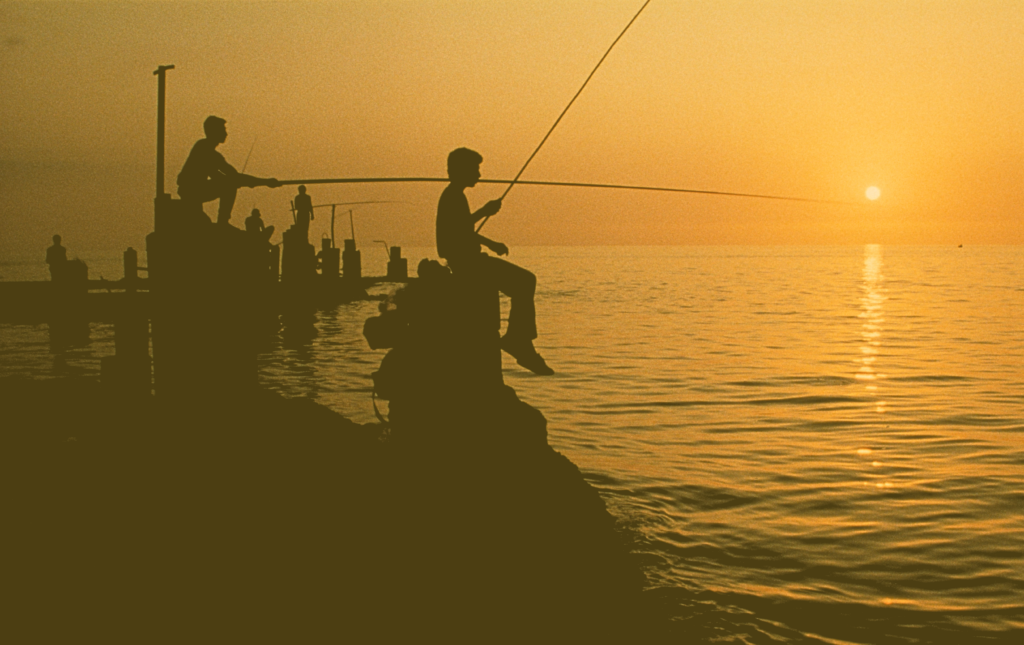
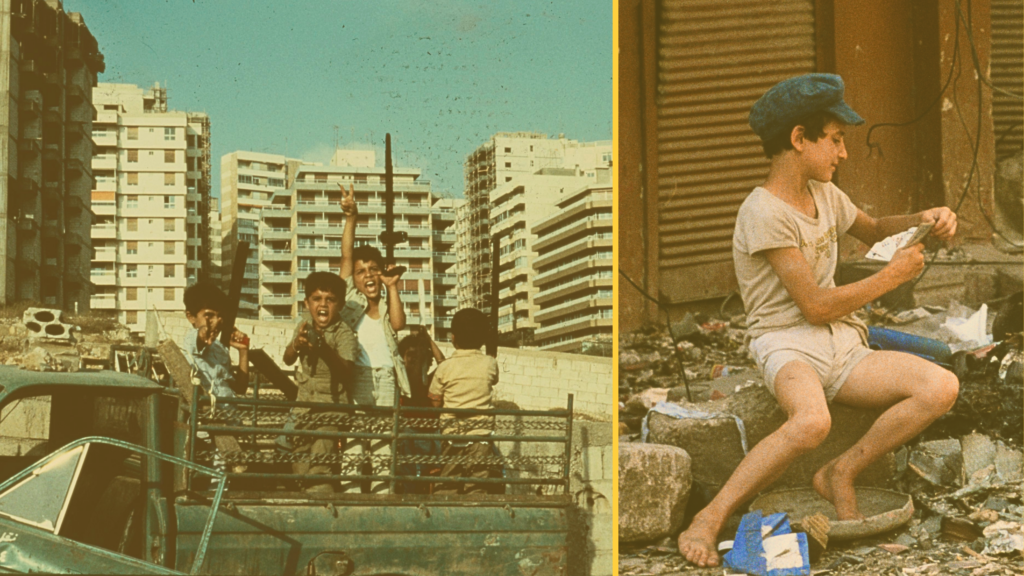
By choosing a young girl as her main character, Jocelyne Saab continues to focus on childhood in the face of conflict, whilst opening up her filmmaking to new questions relating to the female body. She also continues to reject sensationalist portrayals of war, filming young people who carry on loving and dreaming despite the violence around them. True to her documentary style, she maintains a mobile camera that remains attentive to gestures and the presence of people.
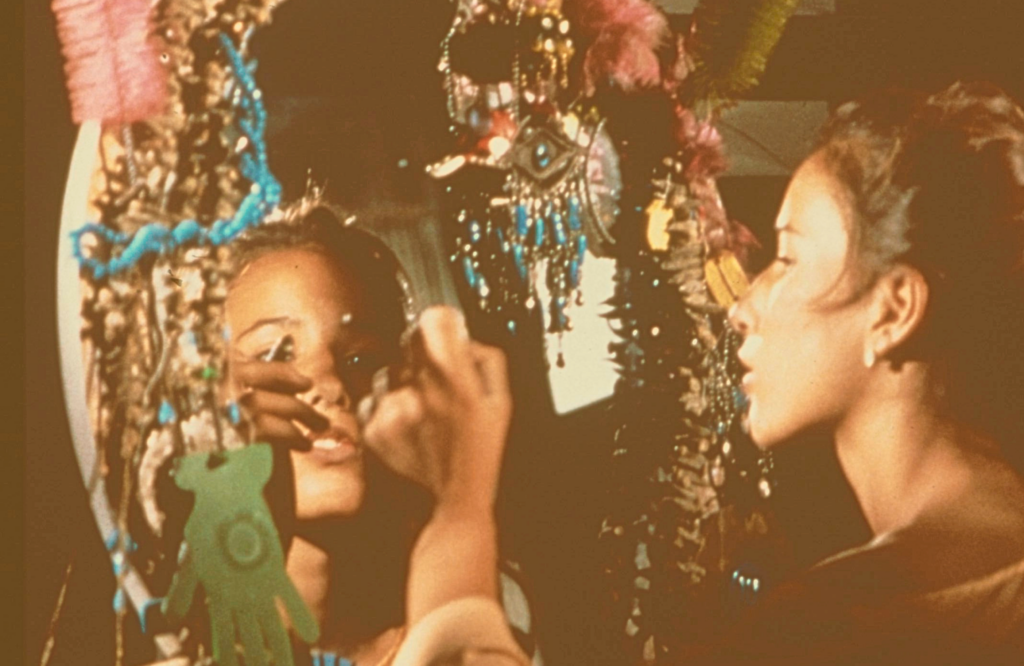
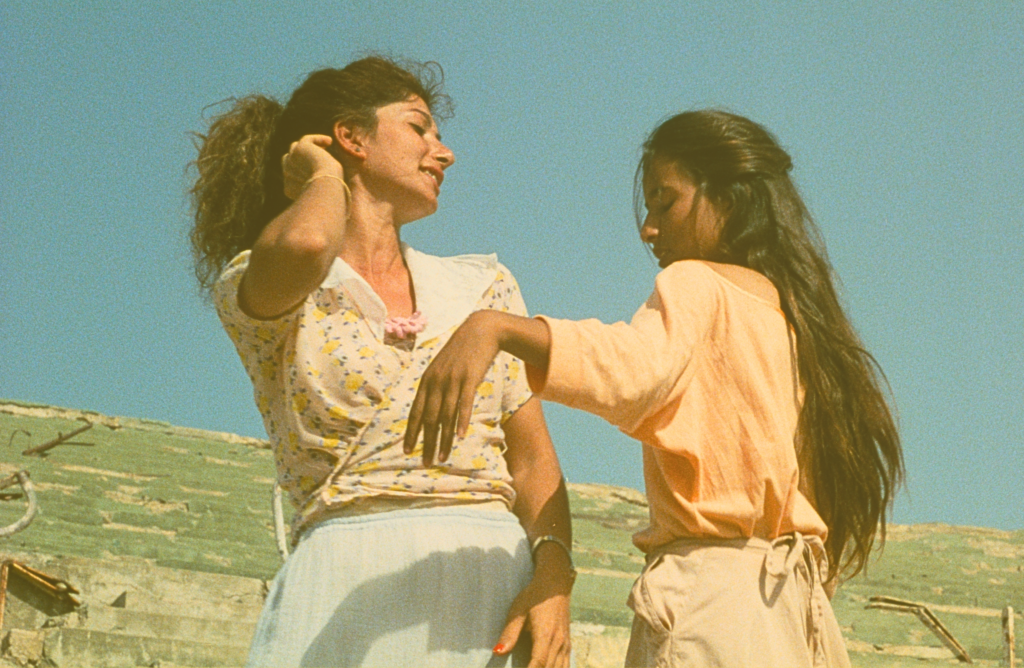
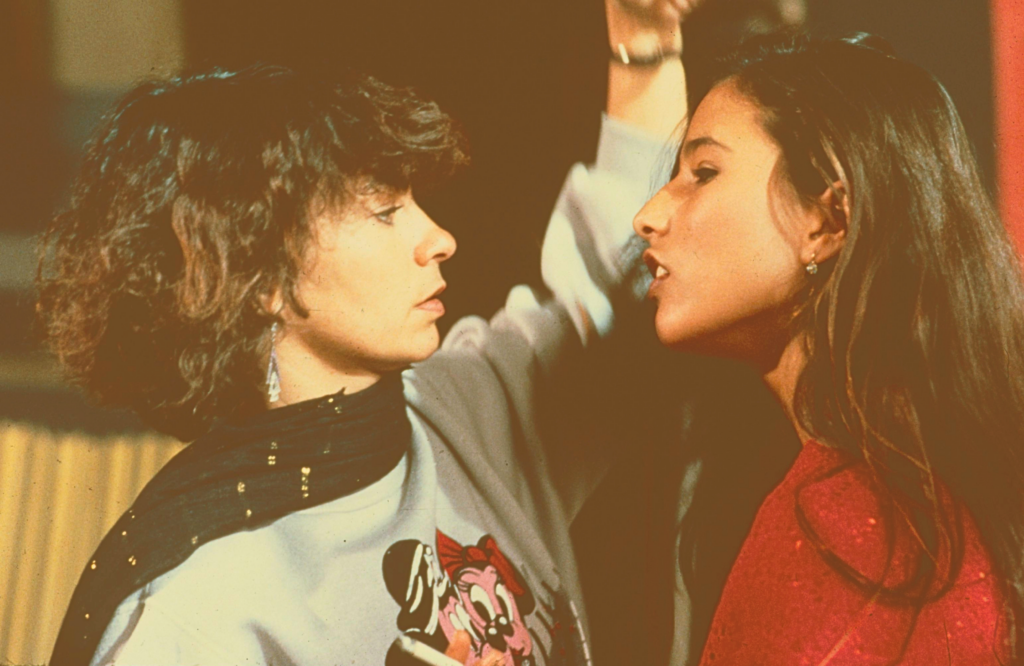
In Ghazl al-Banat, fiction serves to further explore the traces left by history, the lingering effects of war, and the possibilities for transmission offered by cinema. Beirut is no longer merely the setting for these events: the city becomes a character, shaped by the memories, wounds and aspirations of its inhabitants.
The film demonstrates the renewal of Jocelyne Saab’s cinematic language — which would gradually come to straddle the boundaries between documentary, fiction and the visual essay — based on a conviction that would remain with her until the end of her life: certain truths about war can only be conveyed through fiction, because images serve not only to document events, but also to preserve that which endures beyond history.